
How to collect sexual health histories
How to collect sexual health histories

This leads to gaps in identifying and addressing potential new HIV infections and opportunities to reduce risk.
Research demonstrates sexual health histories are often skipped over and/or left blank during healthcare visits.

Key INgredients:

Use Gender Inclusive Language
Avoid terms that Make Assumptions about Sexual Behavior AND Orientation(s)
Use a Sensitive Tone Acting to Normalize the Topic
Leverage Open Ended Questions
Phrasing Questions as Patient-Centric Approach
Leverage Trauma Informed Care to Guide
Seek to Understand When Assessing Risk
Give a preamble that emphasizes sexual health. Briefly introduce sexual health as a routine part of healthcare, emphasizing wellness rather than risk and inviting questions.
Offer opt-out HIV/STI testing and information. Let patients know HIV and STI testing is offered to everyone, helping normalize testing and sexual health discussions.
Ask an open-ended question. Allow patients to share what is most relevant to them and use their preferred language when discussing their bodies, partners, and sexual experiences.
Listen for relevant information and fill in the blanks. Gather only necessary details. Ask focused follow-up questions needed for clinical decision-making while avoiding unnecessary or repetitive inquiries.
Suggest a course of action. Offer appropriate testing, prevention education (e.g., PrEP), and reproductive health counseling, emphasizing benefits such as greater control, confidence, and peace of mind regarding sexual health.

From Dr. Paul Trowbridge
CONNECT IT TO SOMETHING YOU KNOW THEY CARE ABOUT:
If they are being seen for a general/regular health visit:
“Clearly your health is important to you. Based on some of your risk factors, you might be at higher risk for getting HIV. While we don't have any vaccine for HIV, we do have medications that can lower the risks of you getting this life-long infection."
If they are there for HIV testing connect to that:
“What are your practices to protect yourself from HIV and other infections? Did you know there are mediations you can take to protect yourself even more, even if you sometimes aren't able to use your other practices that you protect yourself with?”
If you are at an appointment for STI testing, connect it to that:
“So we're going to check for STIs today because you may have been exposed. If we could have been exposed to an STI, we could have been exposed to HIV, and we know that there are things we can do to lower our risk of HIV in the future if you want to talk about your options.”
”I’m worried my patient will get offended…”
It is all about phrasing questions using an patient-centered approach
Click the picture to hear some phrasing examples from Dr. Jon to aid your patient-centered approach

“But I’m uncomfortable asking these questions…. “
It all begins with incorporating open ended questions
Click the picture to hear some examples from Dr. Jon about these crucial conversations
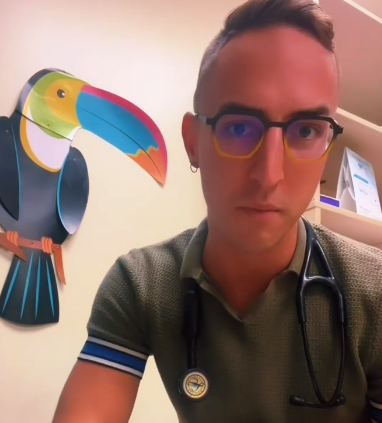

Click the picture to hear a live session about HIV and its prevention.

Be sure to Follow Dr. Jon “ThatGayDoctor” on TikTok and Instagram to get more tips, laughs, and so much more.